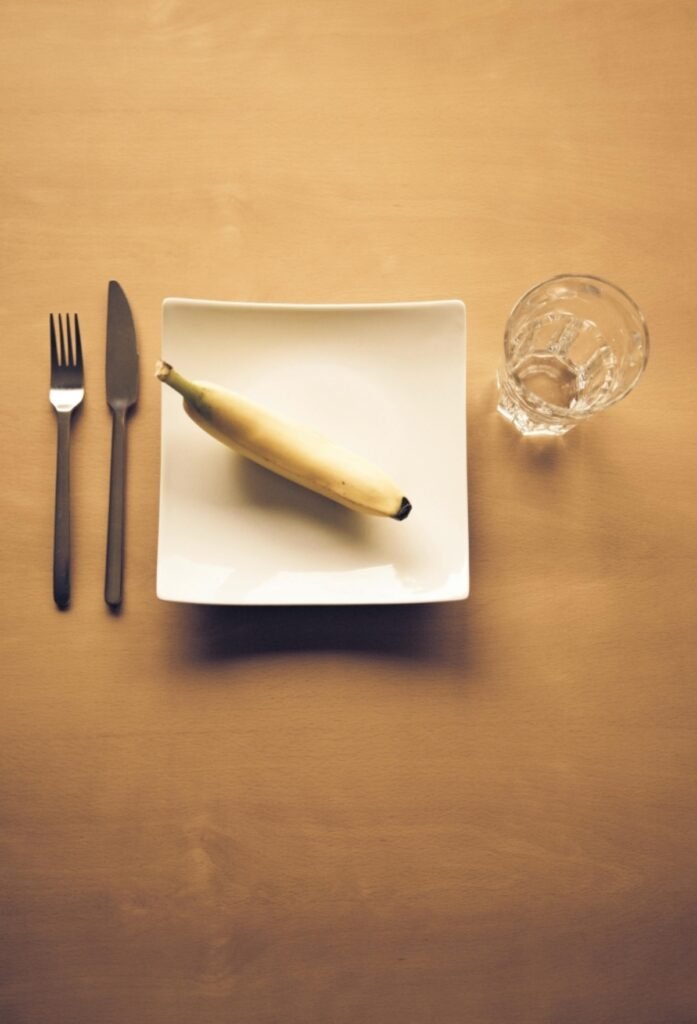
The practice of fasting during Lent spans 40 days of spiritual preparation for Easter. It is a season of prayer, fasting and abstinence — a time for Catholics to reflect on their faith, seek forgiveness and draw closer to God. While fasting practices may vary slightly from parish to parish, the basic guidance remains the same.
The Catholic Church encourages self-imposed fasting throughout the Lenten season, with minimum requirements for those aged 18 to 59: one full meal and two smaller meals on Ash Wednesday and Good Friday.
No to bread and water
Among Christians, fasting on bread and water has long been accepted and widely practiced, with roots tracing back to early Christian tradition. In the Bible, Jesus fasted for 40 days in the desert and taught the value of fasting. Early Christians, including the Desert Fathers, practiced fasting as a form of discipline and penance, often subsisting only on bread and water. Even the Rule of St. Benedict in the sixth century mentions fasting as an act of penance.
Today, however, we understand that bread-and-water fast is far from ideal. It may cause blood sugar spikes and, when prolonged, can lead to malnutrition, dehydration, electrolyte imbalance, fatigue, weakness and even negative effects on gut health.
Fasting may offer real health benefits, but only when done the right way.
Smart fasting
Health experts believe fasting may help reset the immune system. It triggers a process called autophagy, during which the body breaks down and recycles damaged cells, including immune cells. Its possible benefits include reduced inflammation, improved immune response through natural killer cells and macrophages, and a healthier gut microbiome. For those citing therapeutic fasting, one often-mentioned time frame is 72 hours.
If you intend to fast, consult your doctor first. Those with medical conditions or maintenance medications should always seek professional advice.
It is also important to start slowly. Begin with shorter fasts of one to two days.
Water, of course, is essential to life, so stay well-hydrated. Most of all, listen to your body and stop immediately if you begin to feel unwell.
There are several fasting options. For beginners, the 5:2 method is often the easiest: eat normally for five days, then restrict calories for two. On those two fasting days, you may cut your food intake by around half. Another option is alternate-day fasting, which follows a natural rhythm — eating normally one day, then calorie-restricting the next.
A more challenging approach is 16:8 time-restricted fasting, in which you eat only within an eight-hour window and avoid solid food for the remaining 16 hours. For those with experience and proper guidance, an extended 72-hour fast is another option.
What can you consume while fasting? For short fasts, you may avoid animal meat, processed food, sweets and sweetened beverages. You can have vegetable juices to help maintain electrolytes, or simply drink coconut water and water. Fresh herbal teas such as peppermint, chamomile, lemongrass and tarragon may also help support the body gently during the fasting period.
Breaking the fast
Break your fast gently and in small amounts. After a period of abstinence, the body should not be shocked with a heavy meal.
Start with fruits, vegetable broth or bone broth, and cooked vegetables. Gentle foods such as boiled sweet potato, eggs, brown rice, quinoa and oats are good options.
You may also consider Greek yogurt, stewed apples, nuts, seeds, dates, homemade fruit-and-vegetable smoothies, whole grain toast, sourdough bread, or whole grain pasta with extra virgin olive oil.
Steamed fish or chicken breast in broth may also be introduced gradually.
Healthy smoothie recipe:
1 ripe banana
1 cup soy, almond or coconut milk
1/2 cup cooked oats
1/4 teaspoon cinnamon powder
Optional: 2 teaspoons yogurt
Blend all ingredients until smooth. Drink and enjoy.
Affirmation: “I trust the journey of life and its divine plan for me.”
Love and light.