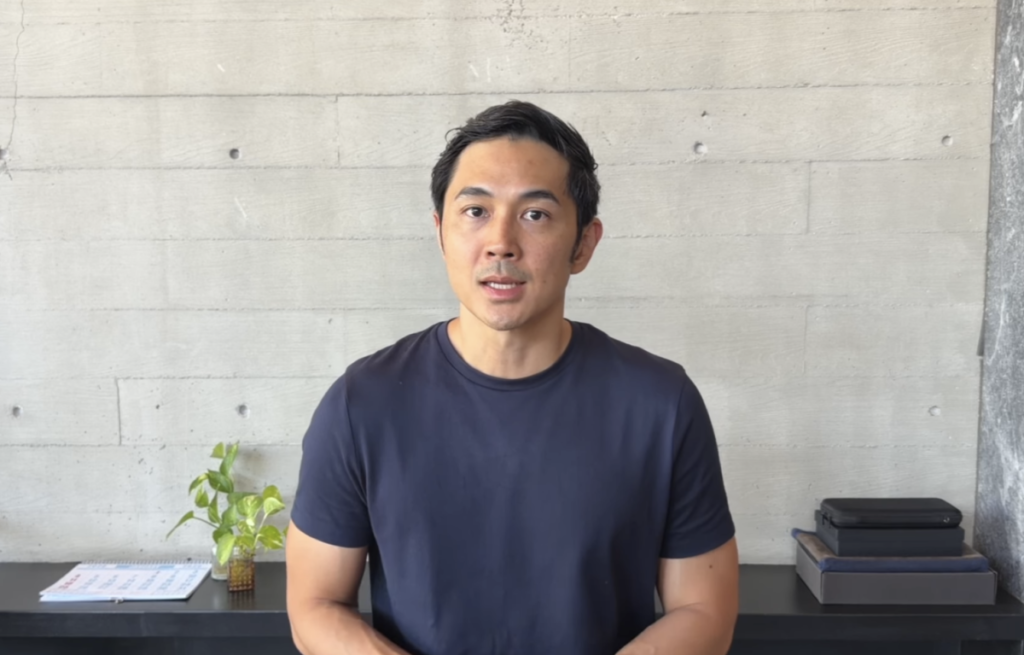
MANILA, Philippines — Engineer and content creator Slater Young rejected claims that his Monterrazas development in Cebu contributed to deadly flooding during Typhoon Tino last year, saying an independent scientific study found the project did not cause or worsen the disaster.
In a video statement posted across his social media platforms, Young said he intentionally delayed responding to the allegations to allow investigations to proceed without influence.
“Our first instinct was to respond immediately, but we held back because we believed that the right thing to do was to let the proper investigations run its course. To let the science and evidence speak rather than to add to the noise and confusion,” he said.
The controversy followed the devastation of Typhoon Tino in November 2025, which brought intense rainfall and triggered widespread flooding across Cebu, leaving more than 200 people dead and causing extensive damage to homes and infrastructure.
Criticism had been directed at upland developments, including Monterrazas, an upscale residential project in Barangay Guadalupe, amid concerns that land alteration may have worsened runoff.
Young, however, cited findings from a study conducted by the University of the Philippines Diliman, which he said showed no link between the project and the flooding.
“They found that Monterazzas did not cause or worsen the flooding. What cause it was the sheer volume of rain. Typhoon Tino dumped over a months worth of rainfall on Cebu in one single day. And that amount of water would have flooded those areas regardless of what was or was not built,” he said.
Young also defended the project’s drainage design, saying its water management systems exceeded regulatory requirements.
“We did not just meet the required standards for water management. We almost doubled them. And because of that our detention ponds caught and held back up to 99.74 percent of the excess rainwater coming off our site. Releasing it slowly, instead of letting it all rush downhill all at once. The science does not just say we did not cause the flooding; it says that the system we have built in place help produce it. This is not our conclusion, it is theirs,” he continued.
He added that the findings suggest the development may have helped mitigate flooding impacts.
Despite defending the project, Young acknowledged the scale of the disaster and extended condolences to affected communities.
“That tragedy was real, and it deserves real answers, not speculation, not misinformation,” he said.
He also described the personal toll of the controversy, saying his family endured criticism while trying to shield their children from public backlash.
Throughout the months of scrutiny, he said they “waited for the truth,” emphasizing that independent reviews had reached consistent conclusions clearing the project.
“We respect everyone’s right to their own opinion but we will not stay silent in the face of deliberate misinformation. We will take all necessary steps to protect our family from it. We understand that for some, no study or finding will ever be enough,” he said.
“Grief does not follow a timeline and we respect that ,but what we are here to say is that Cebu deserves real solutions. Real solutions could only come from correctly identifying the real cause,” he ended.
The Department of Environment and Natural Resources had earlier ordered a halt to Monterrazas operations following the typhoon, citing violations that included issues related to tree-cutting permits. The agency later lifted the order after the developer completed remedial measures, complied with requirements, and settled penalties.